

WHAT IS MATCHA?
Matcha is a form of green tea, but it’s made and enjoyed differently to any other tea.
Most teas are steeped in water and then discarded. With matcha, the leaves are ground into a fine powder and whisked directly into water, so you consume the whole leaf. That’s what gives matcha its distinctive flavour, vibrant colour and unique nutritional profile.
How Is Matcha Made?
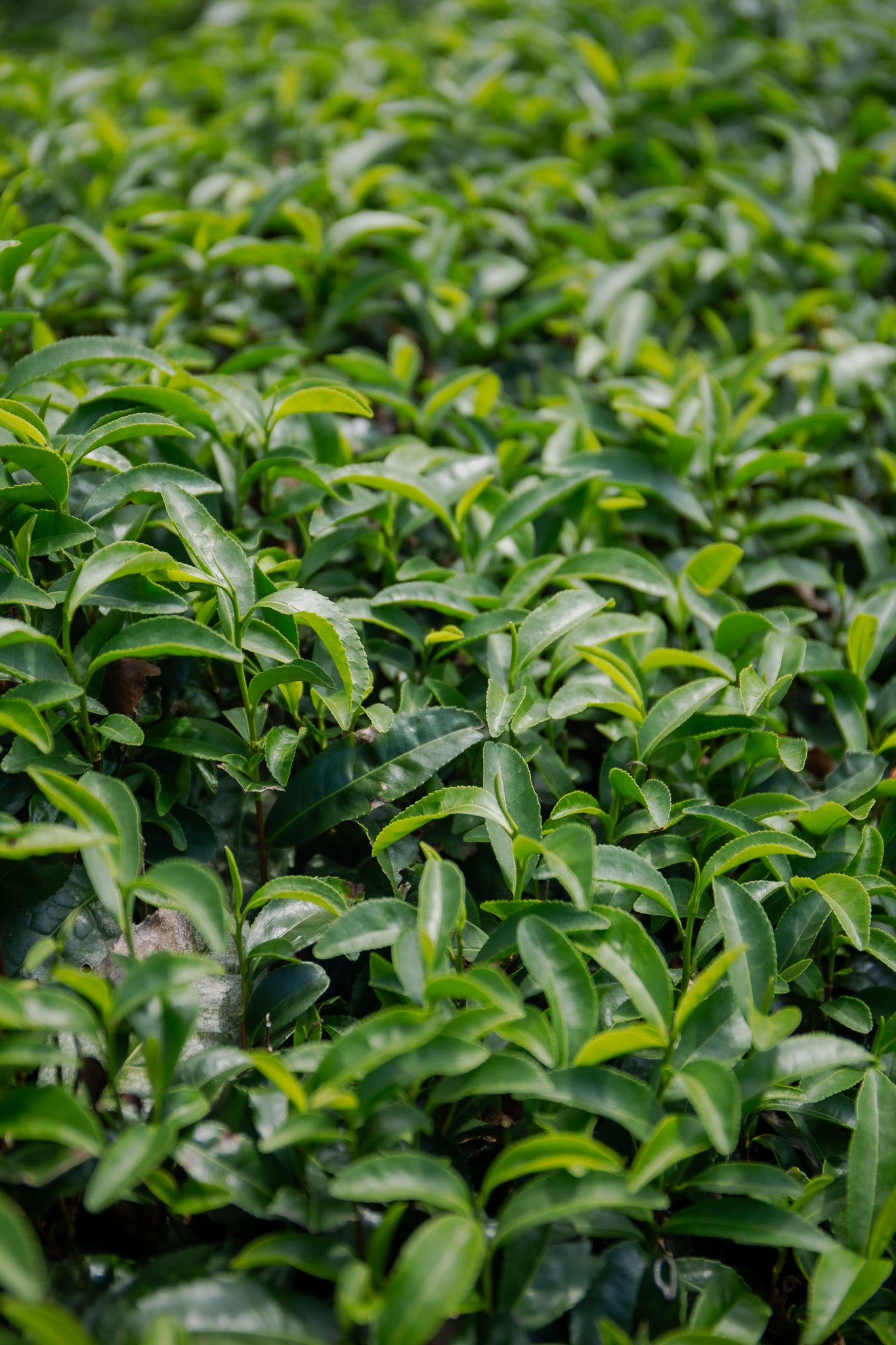
Matcha begins its life as a tea plant called Camellia sinensis, the same plant used to make green tea, black tea, oolong and white tea.
The difference lies in how the leaves are grown and processed.
Several weeks before harvest, the tea plants are shaded from the sun. This encourages the leaves to produce higher levels of chlorophyll and amino acids, contributing to matcha’s vibrant green colour, natural sweetness and characteristic umami flavour.
After harvesting, the leaves are steamed, dried and carefully refined before being stone-ground into an ultra-fine powder. These leaves are known as tencha, and tencha is what all matcha is made from.
The powder is then whisked directly into water, creating a drink that is smooth, rich and full of flavour.
WHY DOES MATCHA TASTE DIFFERENT?
Good matcha should be smooth, naturally sweet and pleasantly savoury, with very little bitterness.
Its flavour comes from a combination of factors, including the tea cultivar, growing conditions, harvest timing and processing methods. Just as wine and coffee vary depending on where and how they are produced, matcha can differ significantly from one producer or region to another.
At JENKI, we taste extensively and work directly with producers across Japan to find matcha that delivers balance, depth and consistency in the cup.



EFFECT
Slow release
Calm clarity
Cell support
Natural boost
Gentle lift
WHY DO PEOPLE DRINK MATCHA?
For many people, matcha starts as an alternative to coffee.
Like coffee, matcha contains caffeine. However, it also contains L-theanine, a naturally occurring amino acid found in tea leaves. The combination of the two is often described as providing a more gradual and sustained energy release, helping support focus without the sharp peaks and crashes some people experience with coffee.
Because you’re consuming the whole leaf, matcha also contains naturally occurring antioxidants and plant compounds that have made it a popular part of daily routines around the world.
Some people drink matcha for the flavour. Some for the way it makes them feel. Most end up appreciating both!
WHERE DOES MATCHA COME FROM?
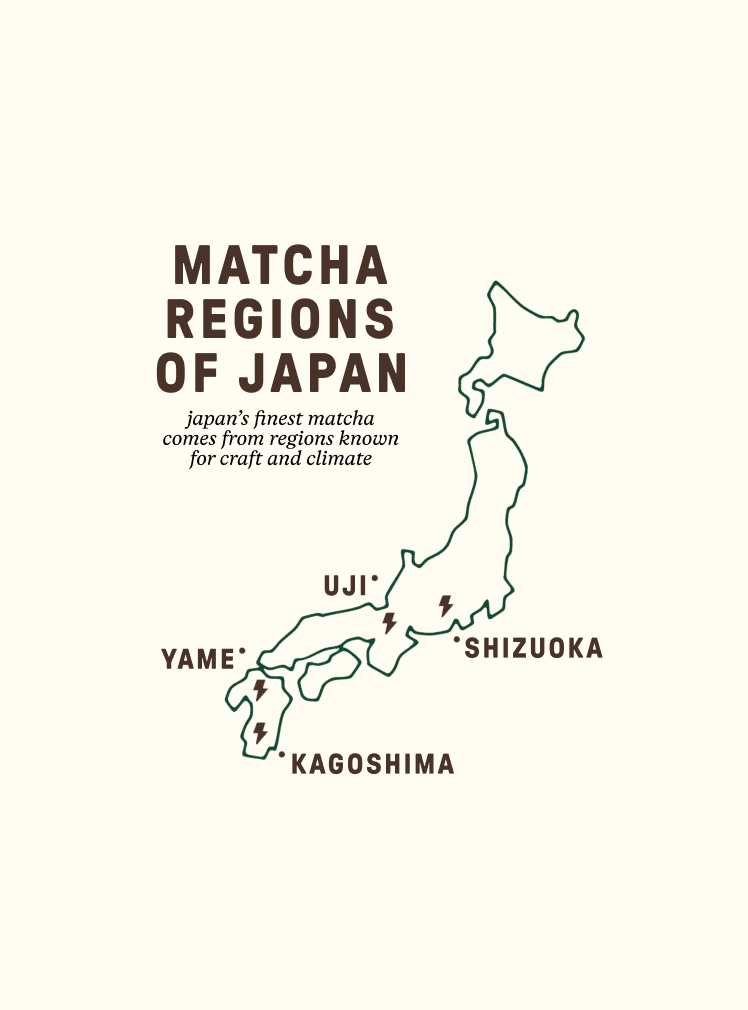
Matcha is produced throughout Japan, with different regions offering their own characteristics and styles.
Our journey began in Uji, near Kyoto, one of Japan’s most historic tea-growing regions. Today, we continue to source and explore matcha from across the country, including Yame, Shizuoka and Kagoshima.
Each region brings something different to the cup, from deep umami and sweetness to brighter, more delicate flavour profiles.
Rather than focusing on a single region, we focus on what matters most: exceptional tea, carefully grown and expertly produced.